Biohacking: Health Strategy or Distraction?
Everyone loves a “hack,” right? We all want a workaround or clever shortcut that saves time and solves a problem. But what happens when hacks meet chronic illness?
If someone has a history of allergies, there are two gut markers that are almost always a slam dunk—I assume they’re going to be elevated even before the client has sent their stool sample in. These markers have a lot to do with “clock genes” and our circadian rhythm.
Is “estrogen dominance” really just “estrogen dominance?” Because when this enzyme is elevated, it can significantly interfere with hormone clearance and lead to an excess of circulating estrogen that could contribute to symptoms of estrogen dominance and an increased risk of certain cancers.
We’ve all heard the advice that a getting a good night’s sleep is critical for good health. Indeed, it is. Sometimes that’s easier said than done, right? And can we get a good night’s rest even in the face of stress? Yes!
These habits aren’t obscure, complicated medical mysteries. They’re often part of our everyday routines—things we do almost on autopilot that quietly chip away at thyroid function.
There’s a commonly-found endocrine disruptor that’s one of the biggest thyroid offenders—bromine. And when I say “commonly-found,” I do mean common.
While optimizing thyroid hormone production is obviously necessary, one often missing and critical piece of the conversation is thyroid hormone conversion…converting “the lame duck” to “the big daddy.”
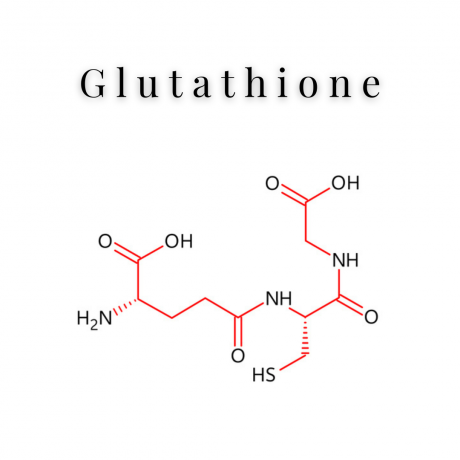
Glutathione is a powerful immune-boosting, cancer-fighting, autoimmunity-taming antioxidant that many experts are just coming around to fully understanding.
Despite what you may have heard, cleansing yeast does NOT need to be difficult. And it doesn’t have to take months. Here’s my straightforward protocol for both testing and clearing candida.
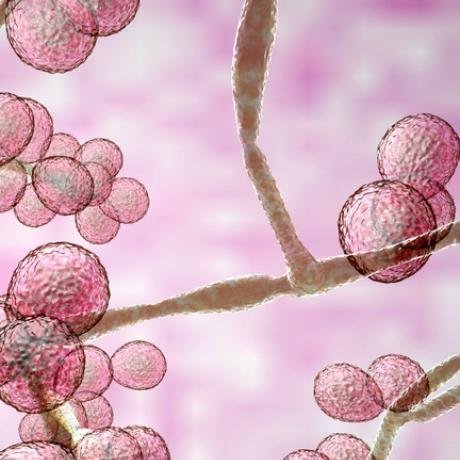
Candida albicans (intestinal yeast) is a fungal organism that’s a normal and expected presence in our digestive environment. But problems arise—sometimes serious problems—when there’s an overpopulation of pathogenic yeast and it becomes opportunistic.