Biohacking: Health Strategy or Distraction?
Everyone loves a “hack,” right? We all want a workaround or clever shortcut that saves time and solves a problem. But what happens when hacks meet chronic illness?
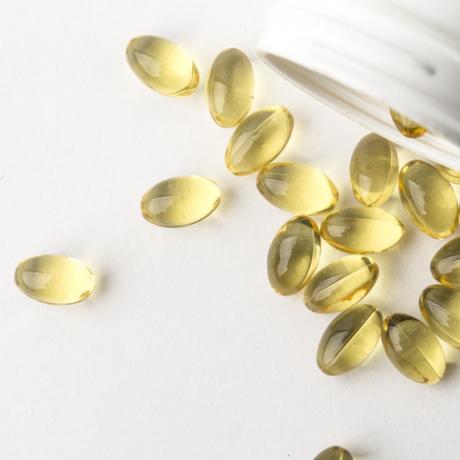
Vitamin D isn’t a vitamin, it’s part of the steroid hormone axis alongside cortisol, estrogen, testosterone, and DHEA. This distinction is important because when you supplement with a steroid hormone, you don’t simply raise a level, you introduce a signal into a tightly controlled feedback system that’s designed to regulate itself.
There’s no shortage of health information—God knows there’s no shortage. The problem is the format it’s being delivered in and what that format is doing to people’s ability to actually get well.
Here are a few powerful testimonials from those who’ve participated in the Gut + Hormone Intensive session.
If someone has a history of allergies, there are two gut markers that are almost always a slam dunk—I assume they’re going to be elevated even before the client has sent their stool sample in. These markers have a lot to do with “clock genes” and our circadian rhythm.
Is “estrogen dominance” really just “estrogen dominance?” Because when this enzyme is elevated, it can significantly interfere with hormone clearance and lead to an excess of circulating estrogen that could contribute to symptoms of estrogen dominance and an increased risk of certain cancers.
You simply can’t build a stable hormonal profile in a system that can’t digest and absorb dietary fat. This post addresses what I feel is one of the single biggest drivers of fat malabsorption.
While hormone replacement therapy can be supportive for some, it’s also a complex, tissue-specific game of trade-offs. This post is not about telling anyone what to take or not take, but about informed consent, biological nuance, and why I’ve chosen a different path.
We’ve all heard the advice that a getting a good night’s sleep is critical for good health. Indeed, it is. Sometimes that’s easier said than done, right? And can we get a good night’s rest even in the face of stress? Yes!
These habits aren’t obscure, complicated medical mysteries. They’re often part of our everyday routines—things we do almost on autopilot that quietly chip away at thyroid function.