Your Thyroid + Manganese
Manganese. You just don’t hear a lot about it. The term is derived from the Greek word for “magic” and indeed, the ancient Greeks regarded manganese as having magical powers.
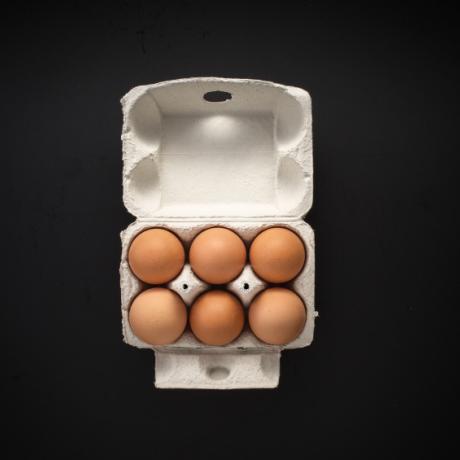
Eggs have been referred to as “the perfect food.” But they’re also one of the top triggers for those with food sensitivities. Let’s dig into both sides of the story.
Magnesium has been nicknamed “the miracle mineral.” It’s even been called a panacea. And it’s another mineral that’s “absolutely essential” for healthy thyroid function.
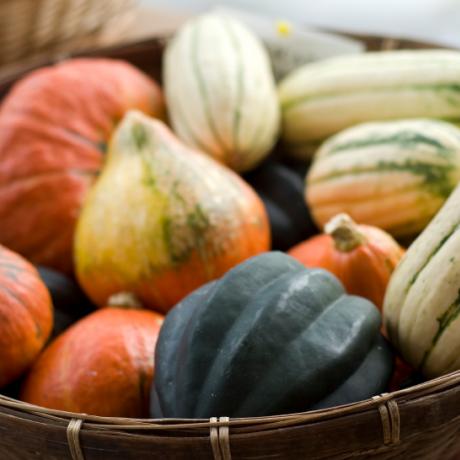
It’s fall and squash is everywhere: butternut, buttercup, delicata, acorn, pumpkin. So how about some squash pancakes?
Should you supplement with iodine? Here’s Part 2 of my take on the hotly-debated iodine controversy.
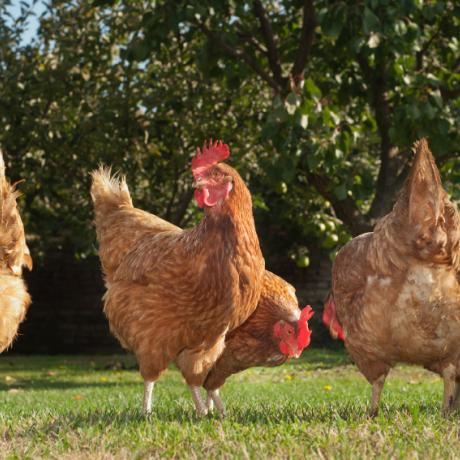
You are what you eat eats. When you take animals out of their natural habitat and feed them food they’re not meant to eat, there are negative consequences for them – and us.
Nary have I found a more wildly-challenged and wildly-supported health topic than whether those with hypothyroidism and Hashimoto’s should supplement with – or heck, even eat foods rich in – iodine. Let’s break it down…
Many of the things that we now need to consider for optimal health are new because our environment has changed. Case in point: the Omega-6 to Omega-3 ratio.
It’s common for those with hypothyroidism to be low in iron; low iron inhibits the ability to produce adequate thyroid hormones and interferes with thyroid hormone synthesis.
Yeah, yeah, yeah – Starbucks replaced their synthetic pumpkin syrup with real pumpkin puree. But keep going, Starbucks, because you’re not quite there yet. Here’s a recipe for a healthful alternative.