
Is it Really "Estrogen Dominance?"
This is the second post in a three-part series on the oh-so-important association between gut and hormonal health.
Here’s the first article in the series >
(As of this writing, the next round of the Gut + Hormone Intensive is opening soon, where I can help you look into any of this in detail.)
Ever heard of β-glucuronidase?
It’s an enzyme that we can measure on a GI panel and it’s another specific example of how gut biology can directly impact the hormonal landscape. How? Because this enzyme determines what happens to hormones after the system has attempted to eliminate them.
When elevated, β-glucuronidase, which is produced by certain intestinal bacteria, can significantly interfere with hormone clearance and in turn lead to an excess of circulating estrogen that could contribute to symptoms of estrogen dominance and an increased risk of certain cancers.
We don’t want this!
What’s the body is supposed to do with used estrogen?
After estrogen has circulated and done its job, the liver should metabolize it for removal. This process (conjugation) makes hormones water-soluble so they can exit the system. Once conjugated, estrogen metabolites are released into bile that should carry them into the small intestine. From there, they should be eliminated in stool.
In short, the liver does its detox work and says to estrogen, “Don’t let the door hit you on the way out.”
But this is where the gut can keep that door padlocked. When β-glucuronidase is elevated, it DEconjugates estrogen, essentially reversing the liver’s detox process. Once deconjugated, estrogen becomes active again and can be returned to circulation.
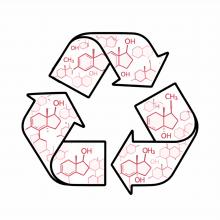
This recycling process is known as enterohepatic recirculation, where estrogen keeps looping back into the bloodstream.
We don’t want this!
On a DUTCH hormone test it can look like:
- Elevated total estrogens (E1, E2, E3)
- Unfavorable 2:4:16 estrogen metabolite ratios
- Increased methylation demand as the liver repeatedly tries to process the same hormones
From the outside, it can seem that there’s an excess of estrogen when in fact, the issue may be that the body can’t get rid of the estrogen it’s already processed.
Keep in mind, sometimes labs look “normal” because the issue is recycling, not overproduction—so symptoms commonly labeled as “estrogen dominance” can still show up when ovarian production isn’t excessive and numbers are in range.
Barking up the wrong tree?
Elevated estrogen patterns are often attributed to stress, exogenous exposure (certain plastics like BPA, phthalates, personal care products), excess body fat, ovarian cysts, aging ovaries, or the pat and relatively worthless diagnosis of “hormonal imbalance.” Or HRT.
(Yes, aging ovaries produce less estrogen overall. But they often produce even less progesterone, especially as ovulation becomes irregular or even nonexistent (anovulation) in perimenopause. This can create relative estrogen excess (estrogen dominance), even if absolute estrogen levels are lower.)
You gotta look at the gut. When β-glucuronidase is high, the conversation shifts because it gives us evidence that estrogen is being reactivated in the intestine and recycled back into circulation.
Again, the microbiome is unraveling the liver’s work.
This is yet another powerful reason why pairing a GI panel with a DUTCH test is invaluable.
If you’ve got gut-driven hormone reactivation, until that recycling loop is addressed, estrogen patterns can remain “abnormal” no matter how much “hormone support” someone tries.
In short, you want to lower the enzyme-producing bacteria, inhibit the enzyme, and move estrogen out faster so it can’t be reactivated.
It’s critical to take an individualized approach to all of this, look at other hormonal and gut markers, and consider age and stage, but here are some basics:
- Address other gut dysbiosis (do the same GI panel that measures β-glucuronidase)
- Increase fiber intake, including prebiotic fibers
- Consider calcium D-glucarate
- Improve bile flow with a bitters supplement (I like Better Bitters by Herb Pharm) and bitter foods like arugula, dandelion greens, radicchio, endive, escarole, mustard greens, bitter melon, grapefruit, lemon peel (and other citrus peel), and artichokes
- Get plenty of cruciferous vegetables (sulforaphane and glucosinolates)
- Get adequate dietary fat (this article is the first in this three-part series)
Again, the Gut + Hormone Intensive is opening soon. It will be limited to a certain number of participants and you can stay tuned by subscribing to my newsletter if you’re not already (scroll up on this page and look to the left—the form is under the image of the cookbook). And stay tuned for the next installment of this three-part gut and hormones mini series!
Add comment